

Can a Website Designer Help Grow My Business?

Short answer: yes, but only if the website is built with growth in mind.
A lot of people think a website is just something you check off a list:
"I need a website for my business."
So they grab a template, hire someone cheap, or have a relative throw something together.
Technically, that gives you a website.
But it doesn't necessarily give you a website that helps your business grow.
And there's a big difference.
The Real Goal of a Business Website
Your website shouldn't just sit there like an online brochure.
A good website should function more like an employee that works for your business 24/7:
- Bringing in new customers
- Helping people understand what makes you different
- Answering questions before someone even calls you
- Showing up when people search for services on Google (our SEO approach is built around this)
That's the difference between "having a website" and having a website that works for you.
The Problems I See With Most Small Business Websites
When I work with small businesses, I often see the same issues over and over again.
Things like:
- Poor layout that makes it hard for visitors to understand what the business does
- Large image file sizes that slow the site down
- Missing or incorrect metadata (which helps search engines understand the page)
- Improper headings and page structure
- Pages that aren't organized in a way Google can easily understand
These things might sound technical, but they have real business consequences.
A slow or poorly structured website can mean:
- Lower rankings in Google
- Visitors leaving the site quickly
- Fewer calls, leads, or customers
And many business owners don't even realize these issues exist.
A Real Example: When a Website Actually Helped a Business Grow
One client I worked with owned a local water store. Their existing website had a poor layout and wasn't structured very well.
We rebuilt the site with a few important goals in mind:
- Clean, simple layout
- Fast loading pages
- Proper page structure and metadata
- A better overall user experience
The new site was custom-coded, which allowed it to be extremely fast and efficient.
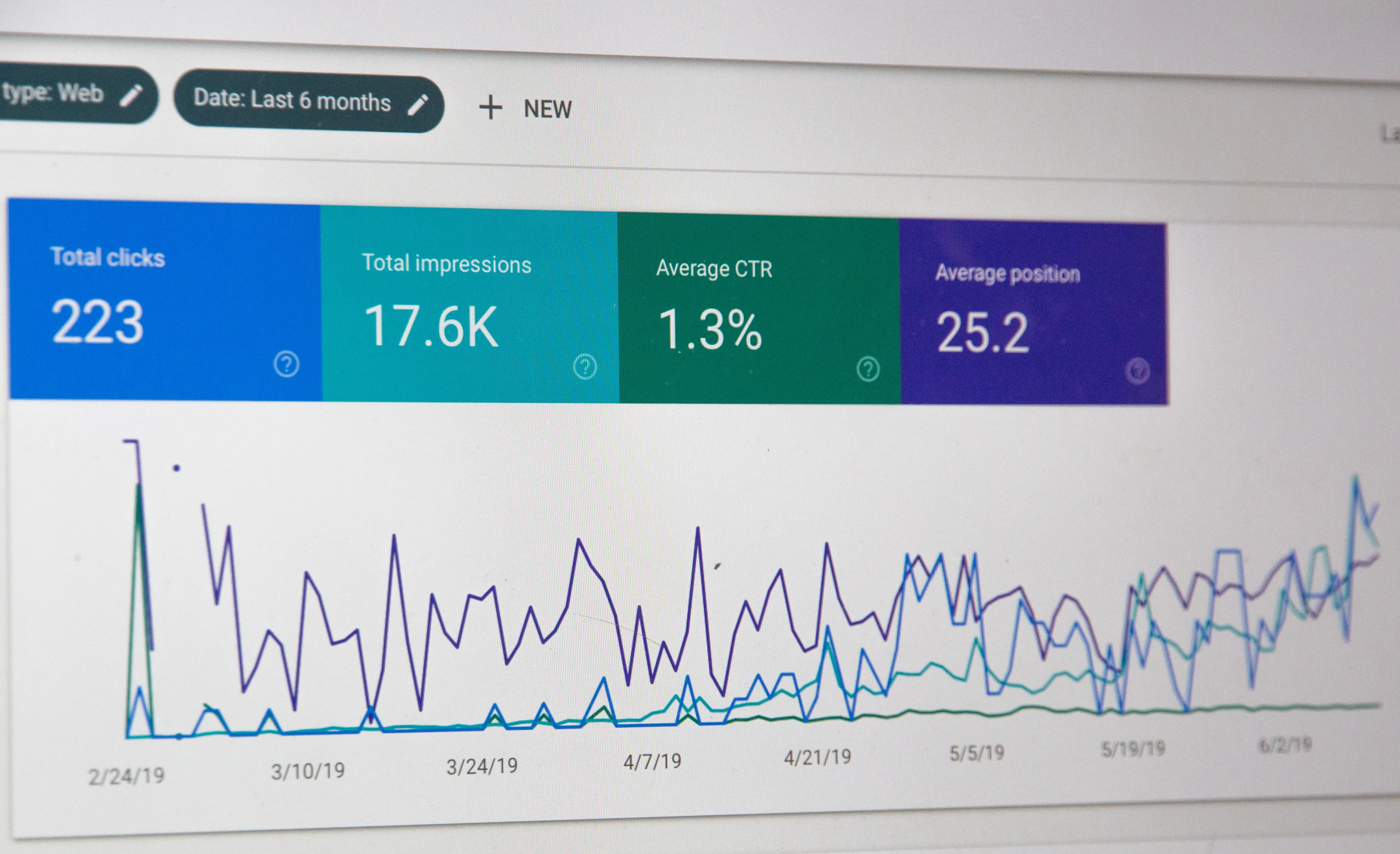
Because of the improved performance and structure, the site began to rank better in search results, and visitors had a much smoother experience when they landed on the page.
Sometimes growth doesn't come from flashy design.
It comes from removing the friction that keeps customers from finding and trusting your business.
Why Speed Matters More Than Most People Realize
Google pays close attention to site speed and performance when deciding how to rank websites.
Fast websites provide a better user experience, so Google tends to favor them over slower ones.
That means if your competitor's site loads faster and is structured better, they may appear above you in search results, even if your business is just as good.
This is one of the reasons I focus heavily on performance and efficiency when building websites for clients.
A Common Myth: Ranking #1 on Google Overnight
One of the biggest misconceptions I hear is:
"Can you get me to the top of Google right away?"
Twenty or thirty years ago, ranking a website might have been easier.
Today, Google's algorithm is extremely sophisticated.
Ranking well takes time, proper structure, good content, and a website that actually provides value to visitors.
Anyone promising instant rankings is either guessing… or selling something unrealistic.
Another Myth: "It Doesn't Matter Who Builds the Website"
I also hear things like:
"My nephew can build it."
"I'll just use Squarespace or WordPress."
"A website is a website."
Those tools can absolutely work in some situations.
But the platform itself isn't the most important thing.
What matters is:
- How the website is structured
- How fast it loads
- How clearly it communicates your value
- How well it aligns with how Google understands websites
The difference between a generic site and a strategically built site can have a major impact on your visibility and credibility.
My Approach to Building Websites
When I work with a business, I don't start with colors or design.
I start with two questions:
What makes this business different?
and
What problems are their customers trying to solve?
Once we understand that, the website is designed to highlight:
- The business's "why"
- The pain points their customers are facing
- The solutions they offer
From there I focus on:
- Clean layout and messaging
- High performance and fast loading speeds
- Proper structure for search engines
- Making sure everything lines up with tools like Google Business Profile (we cover this in our SEO services)
The goal is to create a site that both humans and search engines understand.
Why I Care About Long-Term Growth
I don't see website projects as one-time transactions.
My goal is to help small businesses grow over time.
A good website is often just the starting point.
As businesses grow, they often benefit from things like:
- automated follow-ups
- lead capture systems
- customer communication tools
- review generation systems
That's why I focus on building relationships with clients and helping them grow over the long term, not just launching a website and disappearing.
Final Thoughts
A website designer can absolutely help grow your business.
But only if the website is built with the right strategy.
The best websites aren't just visually appealing.
They are:
- Fast
- Clear
- Structured properly
- Focused on customer problems
- Built to support long-term growth
When a website is done right, it becomes one of the most powerful tools a business has.
And it never takes a day off.
Ready to talk about a site that works for your business? Get in touch or explore more articles on web design and growth.